
News
-
![Pressebild-Elektroneninderwarteschlange-Joergbandmann-1920x1080]()
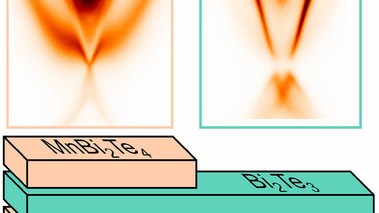
Electrons waiting for their turn: New model explains 3D quantum material
-
![Dieoberflaechemachts-Abbhendrikbentmann-1920x1080]()
It's all about the surface
-
![20210121-Schwarzeloecheraushalbmetallen-Abbildungpixelwg-Joergbandmann-1920x1080]()
1 million Euros for black holes made from semimetals
-
![Farbliche Darstellung einer elektronischen Bandstruktur mit Energieniveaus und Übergängen.]()
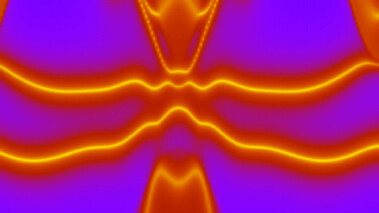
Find a needle in the haystack: A new high-throughput method for magnetic quantum materials
-
![20200917-Herbertsmithite-Doppelt-1920x1080]()
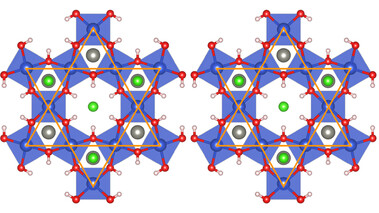
Quantum honey from black holes
-
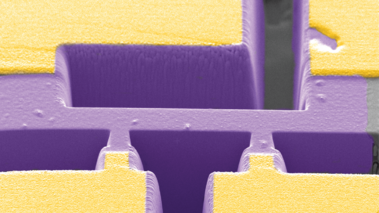
![Headerbild mit Strukturen aus der Elektronenmikroskopie]()
'Wow' research: Quantum physics observed in ultrapure metals
-
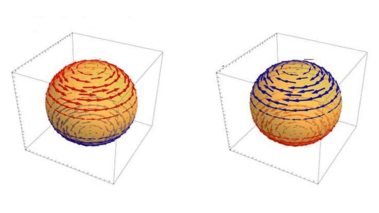
![Überarbeitete Headergrafik des Zeitgeist-Projekts mit Fokus auf dreidimensionaler Darstellung.]()
Superconductors with ‘zeitgeist’: When materials differentiate between the past and the future
-
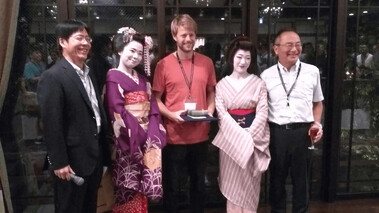
![Posterpreis]()
Poster prize for Philipp Schütz