
News
-
![Farbliche Illustration mehrerer Elektronen in einer Anordnung mit Lichtpunkten auf dunklem Hintergrund.]()
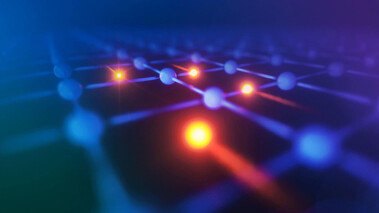
Electron family creates previously unknown state of matter
-
![Vortragsszene mit animiertem Lagerfeuer auf Leinwand und erhobenen Händen im Publikum.]()
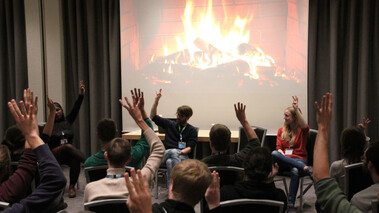
Treasure hunt, fireplace talk & research results: First reunion of the Quantum Matter Academy in Erfurt
-
![Porträt von Alexey Chernikov in weißem Hemd, lächelnd, vor einer modernen Treppe mit hellem Hintergrund.]()
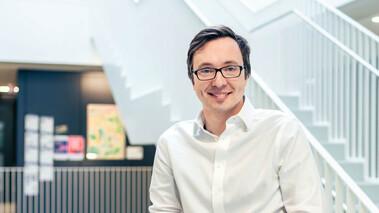
Ultrafast & ultrathin: New physics professor at TU Dresden makes mysterious quantum world visible
-
![Kind bedient Tablet mit dem Spiel KatzeQ, Figur ist auf dem Bildschirm sichtbar.]()
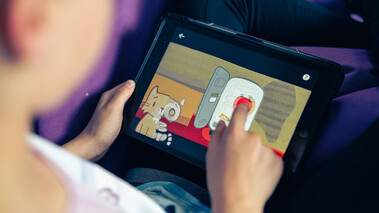
Successful beta test for Kitty Q
-
![Pressebild-Elektroneninderwarteschlange-Joergbandmann-1920x1080]()
Electrons waiting for their turn: New model explains 3D quantum material
-
![Dieoberflaechemachts-Abbhendrikbentmann-1920x1080]()
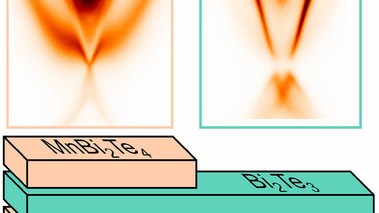
It's all about the surface
-
![Dsc06397-1920x1080]()
Discovery trip in the mini-cosmos
-
![Lorem ipsum dolor sit amet, consetetur sadipscing elitr, sed diam nonumy eirmod tempor invidunt ut labore et dolore magna aliquyam erat, sed diam voluptua. At vero eos et accusam et justo duo dolores et ea rebum. Stet clita kasd gubergren, no sea takimata]()
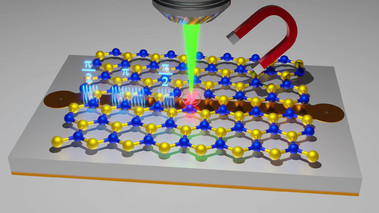
Spins under control
-
![Screenshot eines digitalen Konferenzprogramms für das Cluster-Retreat CT.QMAT1 mit Zoom-Ansicht.]()
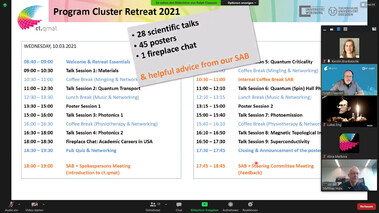
Jazz, sport & quantum physics: First virtual cluster retreat of ct.qmat
-
![Screenshot eines Videos aus einem Reinraumlabor mit gelber Beleuchtung, Forscher an Computerarbeitsplätzen.]()
Quantum world for everyone!
-
![20210121-Schwarzeloecheraushalbmetallen-Abbildungpixelwg-Joergbandmann-1920x1080]()
1 million Euros for black holes made from semimetals