

Diversity, Equity, and Inclusion
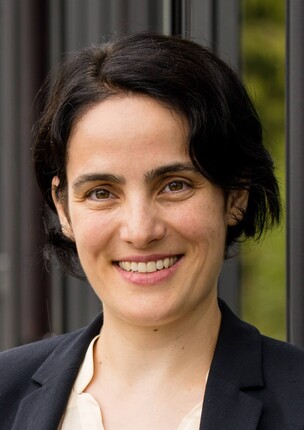
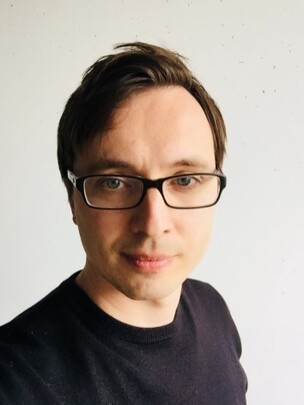
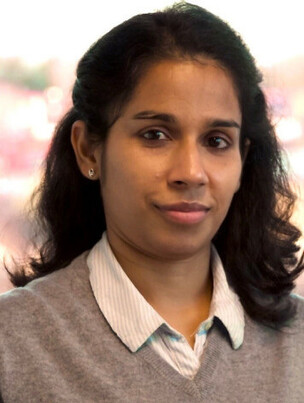
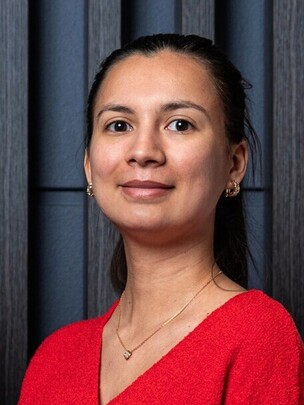
In its second funding period, ctd.qmat is strengthening its commitment to diversity, equity, and inclusion by establishing a DEI Committee made up of four principal investigators and one QMA representative.
Learn more about our DEI activities:
Together, these initiatives create an inclusive research environment that empowers every scientist to thrive.
Mission Statement
At ctd.qmat, we are committed to building a diverse, equitable, and inclusive research community where scientists from all backgrounds can flourish and contribute their ideas. We champion equal opportunities across gender, gender identity, sexual orientation, age, nationality, culture, ability, and social background.
Through targeted recruitment, mentoring, networking, and awareness programs, we support women and other underrepresented groups, including international, queer, and disabled researchers, as well as those of diverse cultural or religious backgrounds. By removing barriers, promoting family-friendly work environments, and valuing every voice, we foster a strong sense of belonging that drives collaboration and excellence in quantum research.


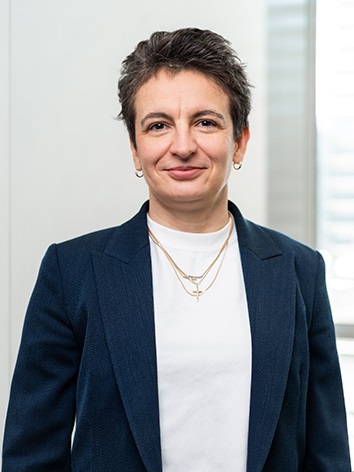
Contact
Dr. Alina Markova
Diversity, Equity, and Inclusion Committee
Technische Universität Dresden
BZW, room A146
Zellescher Weg 17
01069 Dresden
Phone: +49 351 463-32282
School Students and Teachers
Schools play a key role in inspiring the next generation of physicists. In particular, girls are encouraged to explore physics by meeting authentic role models and seeing the diversity of people and career paths in the field. Teachers are central to this process, so we support them with training in both modern quantum physics and gender-sensitive teaching practices.
Women Doctoral and Postdoctoral Researchers
Female doctoral candidates receive structured support to ensure successful completion of their PhD. Along with postdocs, they have access to training that develops leadership, networking, and professional skills for careers within or beyond academia. Targeted assistance is also available during family-formation phases to help balance personal and professional responsibilities.
University Students
Undergraduate and master’s students are encouraged to pursue scientific careers through early exposure to research, visible role models, and opportunities for academic engagement — all of which strengthen motivation and retention in physics.
Other Underrepresented Groups in Academia
Beyond gender equity, ctd.qmat is committed to supporting all researchers who may experience structural disadvantages — including international scientists, people of color, queer researchers, individuals with disabilities or chronic illnesses, and those from diverse cultural, social, or religious backgrounds. Both TU Dresden and JMU Würzburg provide comprehensive, qualified support for members facing conflict, discrimination, or harassment, as well as guidance on integration, health, and personal concerns. This institutional framework ensures that all researchers can access the resources they need to thrive personally and professionally.
From Classroom to Campus and Beyond
ctd.qmat fosters early interest in science by connecting school students, university students, and early career researchers. These programs inspire the next generation to explore quantum physics and pursue academic careers in STEM subjects.
Mentoring program for women students and early-career researchers at TU Dresden
The Join Science mentoring program supports women students and researchers at the beginning of their academic careers. It helps participants reflect on their goals, expand their professional networks, and actively shape their future in academia. The program is open to STEM students interested in pursuing an academic path.
Mentoring program for school students transitioning to university physics studies at TU Dresden
Curious about what studying physics at university is really like? Study Bridge supports students in grades 10–13 at Gymnasium schools in Saxony as they prepare to transition to university.
Hands-on physics experiences for schoolgirls
On Girls’ Day, schoolgirls gain insight into physics through interactive experiments and lab visits — an inspiring introduction to studying science at university.
Thematic Cluster “Quantum Physics in the Classroom”
This thematic cluster brings together teachers from the National Excellence Schools Network for STEM Education who, in close collaboration with the Cluster of Excellence ctd.qmat, develop hands-on, research-informed approaches to teaching quantum physics.
A traveling exhibition on women in quantum research
The exhibition RETHINKING PHYSICS presents portraits of established and emerging women physicists, celebrating the diversity and creativity driving quantum science.
Advancing in Academia
ctd.qmat empowers women researchers to develop their skills, expand their networks, and advance their careers in science. These initiatives strengthen equal opportunities and promote inclusive excellence across all academic levels.
In its second funding period, the Cluster of Excellence ctd.qmat has launched a dedicated professional development program for advanced PhD candidates and early postdocs to support their transition toward academic independence.
Held every two years at TU Dresden, the three-day BeWISE Conference offers lectures on gender-equality issues, soft-skill workshops, and career coaching. It’s designed for early-career women researchers participating in DFG-funded programs.
To strengthen women’s academic career prospects and increase their representation at all levels, ctd.qmat supports participation in professional training opportunities and regularly organizes dedicated workshops.
Gender bias can create major barriers in academia. ctd.qmat addresses this challenge through workshops, talks, and training sessions that raise awareness of unconscious bias and promote an inclusive research culture.
Connecting People and Ideas
ctd.qmat strengthens collaboration and exchange through networks that connect researchers across disciplines, career stages, and institutions.
The Grete Hermann Network promotes professional networking and collaboration among women in quantum research. Through its colloquium series and dedicated events, the GHN fosters visibility, mentoring, and community within and beyond ctd.qmat.
ctd.qmat is a partner in the project In/visibility of Women in Quantum Technologies - Development of Effective Strategies for Better Participation.
Work–Family Balance
ctd.qmat supports researchers in balancing scientific careers with family and caregiving responsibilities. These measures aim to create a family-friendly research environment that values flexibility, inclusion, and well-being.
The Keep in Touch program helps researchers of all genders maintain professional connections and smoothly re-enter academic life during and after family-related career breaks.
To ease the challenges of combining research and family life, ctd.qmat can reimburse short-term childcare costs during conferences, workshops, or retreats — up to the current annual tax-free allowance (€600 per employee). For more details, visit the DFG’s page on compatibility of family and academic career.
When business travel is required, the Cluster may cover expenses for children and their caregivers, helping to reduce the logistical and financial burden on parents.
To support researchers with caregiving responsibilities — such as caring for children up to age 14 — ctd.qmat can provide essential home-office equipment to enable flexible and effective remote work.
Effective parental leave planning benefits both researchers and their families. ctd.qmat provides funding for professional counseling and advisory services that support coordination, promote equitable caregiving arrangements, and help reduce career interruptions.
Resources
ctd.qmat provides access to programs, tools, and creative outreach projects that support diversity, equal opportunity, and science communication — from funding schemes to playful introductions to quantum physics for children and teens.
Explore scholarship and support programs promoting gender equity in academia:
SCIENTIA Scholarship Program (JMU Würzburg)
Programs for Women in Science (TU Dresden)
A traveling exhibition featuring portraits of women scientists, celebrating diversity and excellence in quantum science.
The award-winning mobile game “Kitty Q – A Quantum Adventure” invites children and teens to discover the fascinating world of quantum physics through interactive play.
An educational escape room game that introduces students to the basic principles of quantum physics — playful learning at its best.
This JMU Würzburg podcast series highlights best practices for combining academic leadership with family life.