
News
-
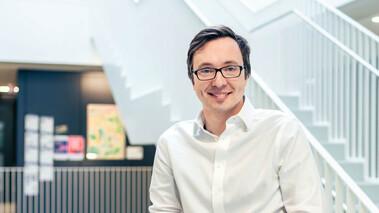
![Porträt von Alexey Chernikov in weißem Hemd, lächelnd, vor einer modernen Treppe mit hellem Hintergrund.]()
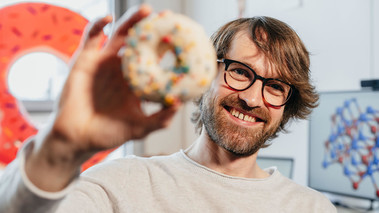
Ultrafast & ultrathin: New physics professor at TU Dresden makes mysterious quantum world visible
-
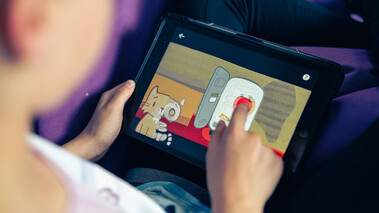
![Kind bedient Tablet mit dem Spiel KatzeQ, Figur ist auf dem Bildschirm sichtbar.]()
Successful beta test for Kitty Q
-
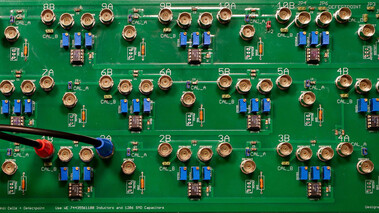
![Nahaufnahme einer Platine mit elektrischen Schaltungen, Bauteilen und LEDs für topolektrische Forschung.]()
Topolectrical circuits: A new direction of topological research is ready for take off
-
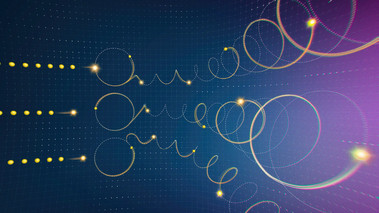
![Pressebild-Elektroneninderwarteschlange-Joergbandmann-1920x1080]()
Electrons waiting for their turn: New model explains 3D quantum material
-
![Dieoberflaechemachts-Abbhendrikbentmann-1920x1080]()
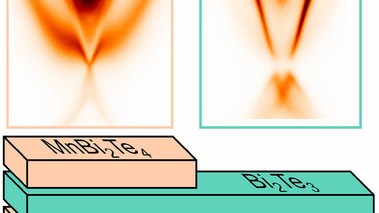
It's all about the surface
-
![Dsc06397-1920x1080]()
Discovery trip in the mini-cosmos
-
![Screenshot eines digitalen Konferenzprogramms für das Cluster-Retreat CT.QMAT1 mit Zoom-Ansicht.]()
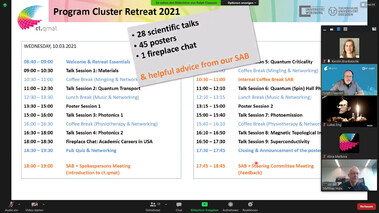
Jazz, sport & quantum physics: First virtual cluster retreat of ct.qmat
-
![Screenshot eines Videos aus einem Reinraumlabor mit gelber Beleuchtung, Forscher an Computerarbeitsplätzen.]()
Quantum world for everyone!
-
![20210121-Schwarzeloecheraushalbmetallen-Abbildungpixelwg-Joergbandmann-1920x1080]()
1 million Euros for black holes made from semimetals
-
![Porträt von Sebastian Klembt in blauem Sakko vor einer Sandsteinwand, leicht lächelnd. Dateiname: reinraumlabor-video-screenshot-20210226.jpg]()
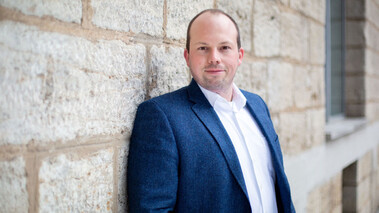
Light and matter: Photonics scientist to occupy the cluster's first junior professorship
-
![Farbliche Darstellung einer elektronischen Bandstruktur mit Energieniveaus und Übergängen.]()
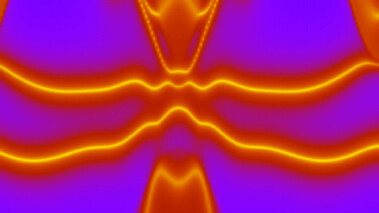
Find a needle in the haystack: A new high-throughput method for magnetic quantum materials